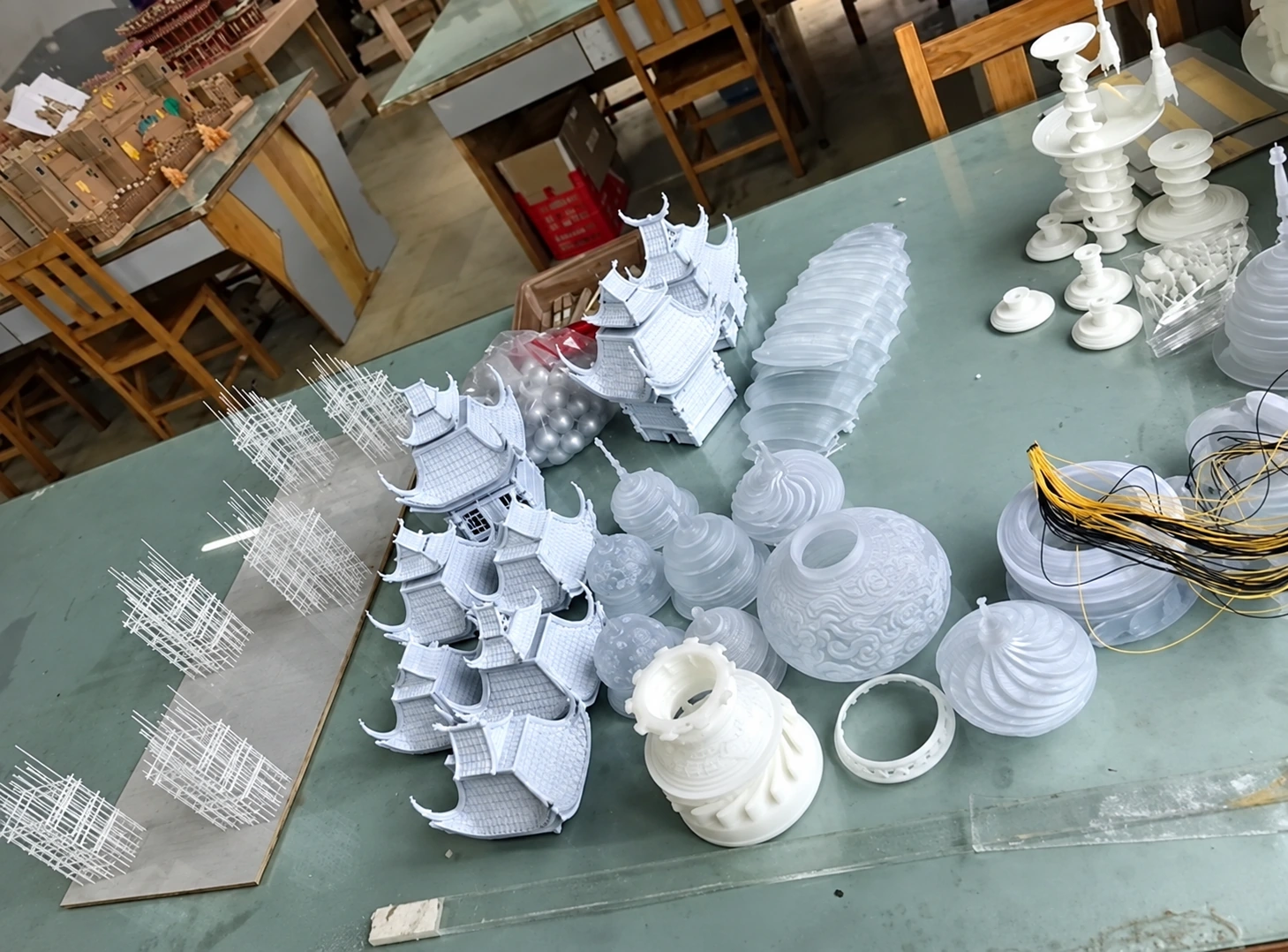
A custom model costs more than its printed material. The quotation may include design development, file preparation, fabrication, surface finishing, assembly, packaging and delivery. Size, quantity and approval requirements influence several of those stages at once.
Define the deliverable before comparing prices
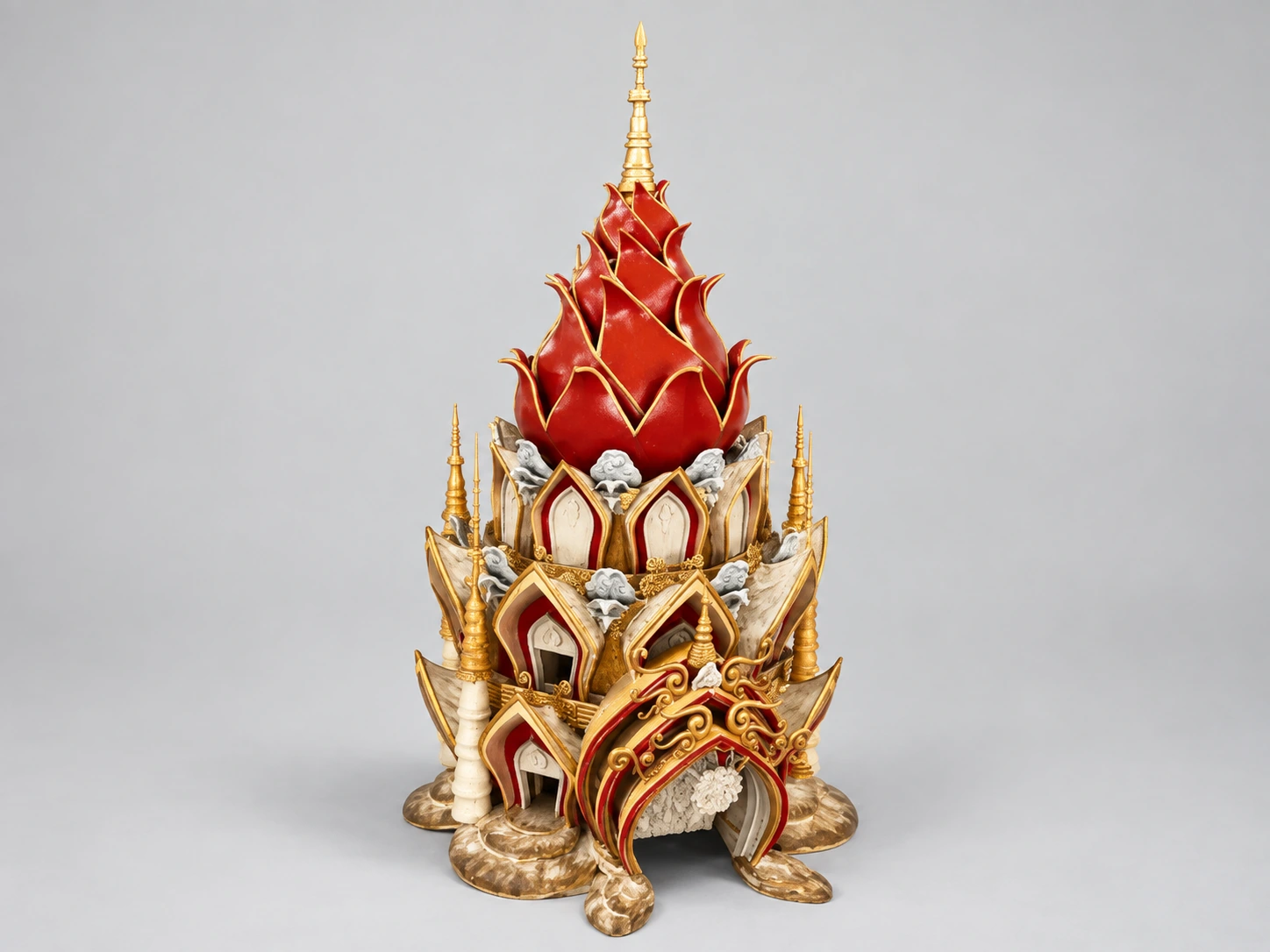
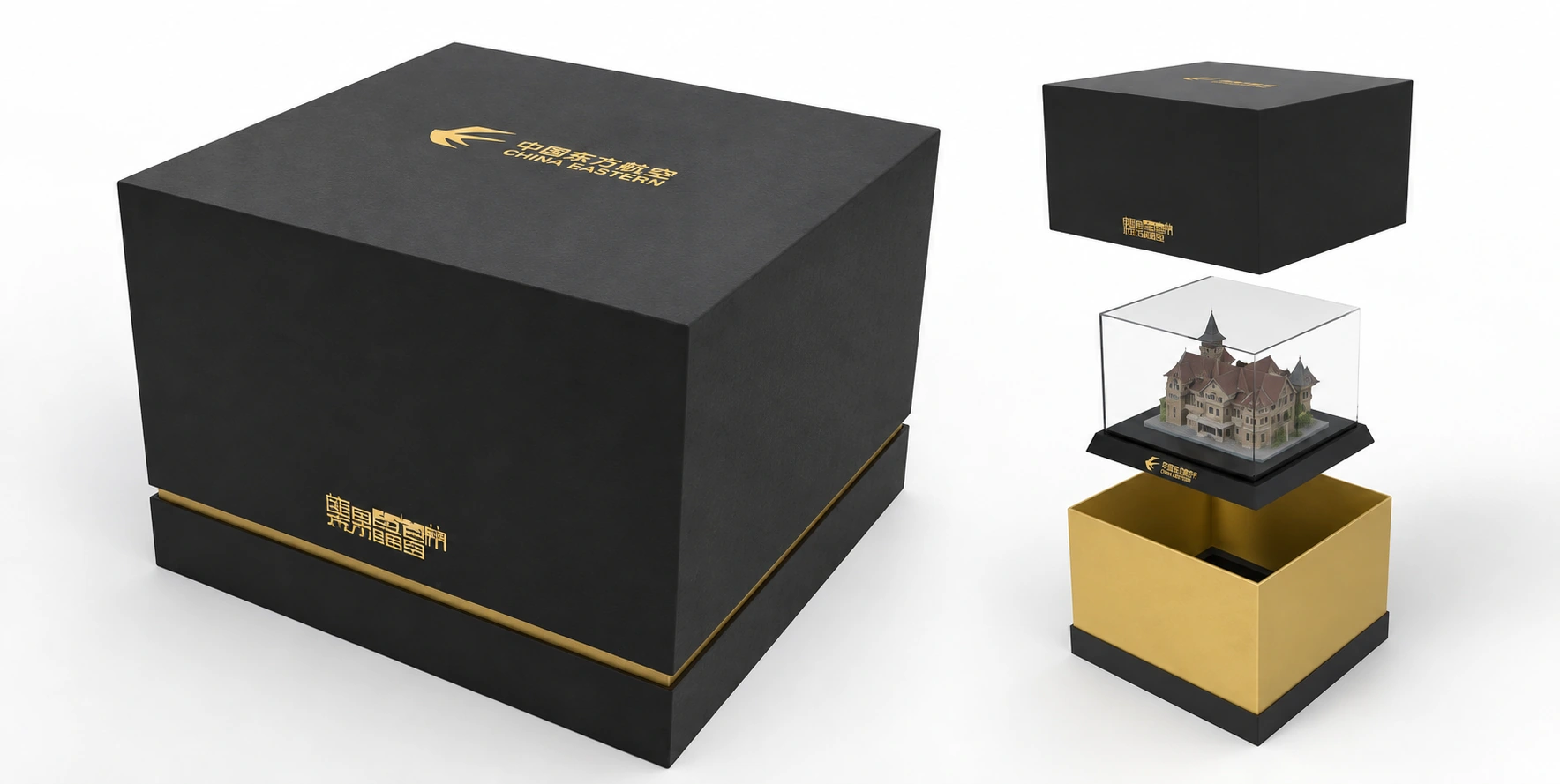
“A 3D-printed model” can mean a raw part, a painted miniature or a complete display with a base, lighting and a presentation box. These are different deliverables. A useful quotation states what you will receive and identifies work that remains outside the scope.
Separate the one-time preparation from the work repeated for each piece. Concept development and the first 3D model may be shared across a batch. Printing, painting individual details, assembly and packing still take place for every finished item. This helps explain why increasing quantity does not reduce every cost in the same proportion.
| Cost area | Questions to resolve |
|---|---|
| Design and preparation | Is there a usable model, or does the design need development? |
| Fabrication | What are the size, geometry, process and material? |
| Finishing and assembly | Which surfaces are visible, and how many separate parts are there? |
| Packaging and delivery | Is the object shipped assembled, boxed individually or installed on site? |
Size and geometry change the production plan
Increasing dimensions affects the space a part occupies and can change the amount of material, production time and packaging it needs. Scaling a solid shape equally in all directions increases its volume faster than its height. A hollow design behaves differently, so a price estimate based only on height is incomplete.
Thin projections, deep recesses and enclosed cavities introduce additional questions. Can the chosen process make the feature? Can the part be cleaned? Can a hand or tool reach the surface for finishing? A design that looks simple from the front may still require multiple parts and careful assembly.
Discuss possible simplifications around the purpose of the object. A display viewed from several feet away may not need every tiny detail of the source artwork. A handheld collectible may depend on exactly those details. Cost decisions should follow how the object will be used.
The finish can be a substantial part of the work
A raw print and a smooth, painted presentation model have different preparation needs. The brief should distinguish a uniform color from several masked colors, individual hand-painted details or a reflective appearance. Define the visible surfaces and agree how seams and support-contact areas will be treated.
A finish sample can reduce uncertainty before a larger run. Include it in the budget when color or sheen is central to the project. If the design changes after the sample, ask whether the reference still applies to the revised geometry and material.
Reduce cost by changing the right requirement
Start with the elements that create the most value for the recipient. Preserve the silhouette, recognizable details and important text. Then discuss whether size, hidden geometry, the number of colors or packaging complexity can be adjusted.
For an architectural keepsake, you might prioritize the facade and inscription while simplifying unseen internal geometry. For an award, a distinctive central form may matter more than a large base. These are design choices to evaluate with a sample or proof, not universal rules that make every project cheaper.
- Provide one agreed brief and a clear approval owner.
- Separate must-have details from optional features.
- Request alternatives against the same quantity and delivery scope.
- Confirm the full delivered cost, including applicable shipping and import arrangements.
Ask for comparable quotations
Send each proposed manufacturer the same reference package. Include quantity, dimensions, finish references, destination and the date you need the completed pieces. If the design is unfinished, ask how design work will be estimated separately.
Nexbie confirms project pricing individually. There is no useful universal price per trophy or model without a specification. The first conversation should establish the intended result, identify missing information and set the next approval step.
Common questions
Will ordering more pieces always lower the unit price?
Shared preparation and suitable production arrangements may improve unit economics, but labor, personalization and packaging remain. Ask for quantity options using the same design and finish.
Can I get an estimate before the design is finished?
An early discussion can define a budget range and the assumptions behind it. A confirmed production quotation needs an agreed scope, geometry, quantity and finish.
FURTHER READING