
Choose the underlying material and the final appearance together. A finish specification should describe color, texture, sheen, visible surfaces and intended use. Metallic-looking paint, a plated surface and solid metal are different constructions and should be quoted as such.
Describe the result under its real viewing conditions
Start with where the piece will be seen and how it will be handled. A stage award under strong lighting behaves differently from a miniature in a display cabinet. A finish reference should explain the impression you want and the surfaces that matter most.
Bring a physical reference where possible. Screen images are useful for a direction, but lighting and camera exposure can make the same surface look lighter, darker or more reflective. Identify whether the priority is a color match, a level of sheen or a particular texture.
Compare the finish by appearance and preparation needs
Matte, satin and gloss describe sheen rather than the printed material underneath. A metallic-look coating can create a visual effect on a polymer object; it does not make the object solid metal. State both the substrate and the surface treatment when comparing proposals.
Processes such as dyeing, smoothing or plating depend on the material and geometry. Their suitability should be checked for the exact part. Avoid assuming that a treatment shown on one polymer will behave identically on another.
| Appearance | Useful discussion point |
|---|---|
| Matte or satin paint | Color consistency, texture and handling marks |
| Gloss paint | Surface preparation and reflections on broad areas |
| Metallic look | Underlying material, reflective effect and desired weight |
| Fine hand-painted detail | Feature size, color boundaries and sample approval |
| Clear or translucent elements | Material, geometry, clarity target and finishing access |
Surface preparation comes before the final coating
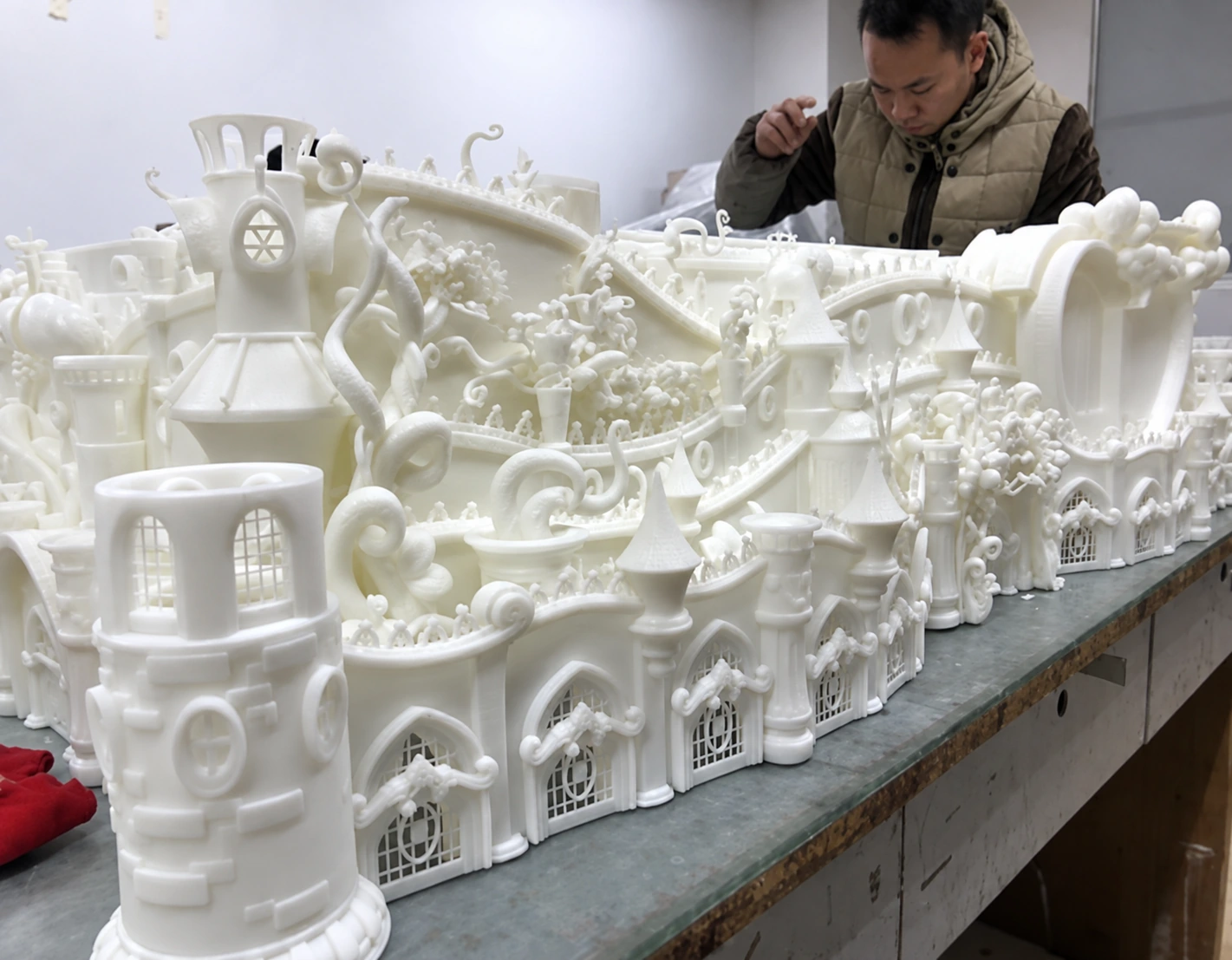
The production route determines the starting surface. Resin parts may need support removal, washing and the specified cure. Powder-based parts need cleaning, while filament prints may need additional work to achieve a smooth painted appearance. The next steps are selected around the material and intended finish.
Ask how support-contact areas and joints will be positioned. A seam across a primary viewing surface is a different problem from a seam under a base. Planning those locations in the model can be more effective than trying to disguise them after production.
On detailed miniatures, preparation also needs to preserve the features that should remain visible. The finish should be evaluated on a representative part of the geometry, rather than on a flat color swatch alone.
Use a sample to define what approval means
A useful sample record names the material, preparation, color reference and sheen. Include the lighting conditions under which the sample was approved and identify which surfaces it represents. A small sample cannot demonstrate every issue on a much larger, more complex object.
For a multicolor model, label the parts and map each color to a surface. Confirm which edges should be sharp and which transitions may be softer. Resolve those decisions before producing a full series so feedback is specific and repeatable.
- Agree which finish characteristics are essential.
- Review the sample at normal viewing distance as well as close up.
- Record approval against a named version.
- Confirm any limitations relevant to sunlight, heat, handling or cleaning.
Keep assembly and packaging in the finish conversation
Some surfaces become hard to reach once components are joined. Discuss the order of finishing and assembly when the model is divided into parts. Accessories, display covers and inscription plates should be included in that plan.
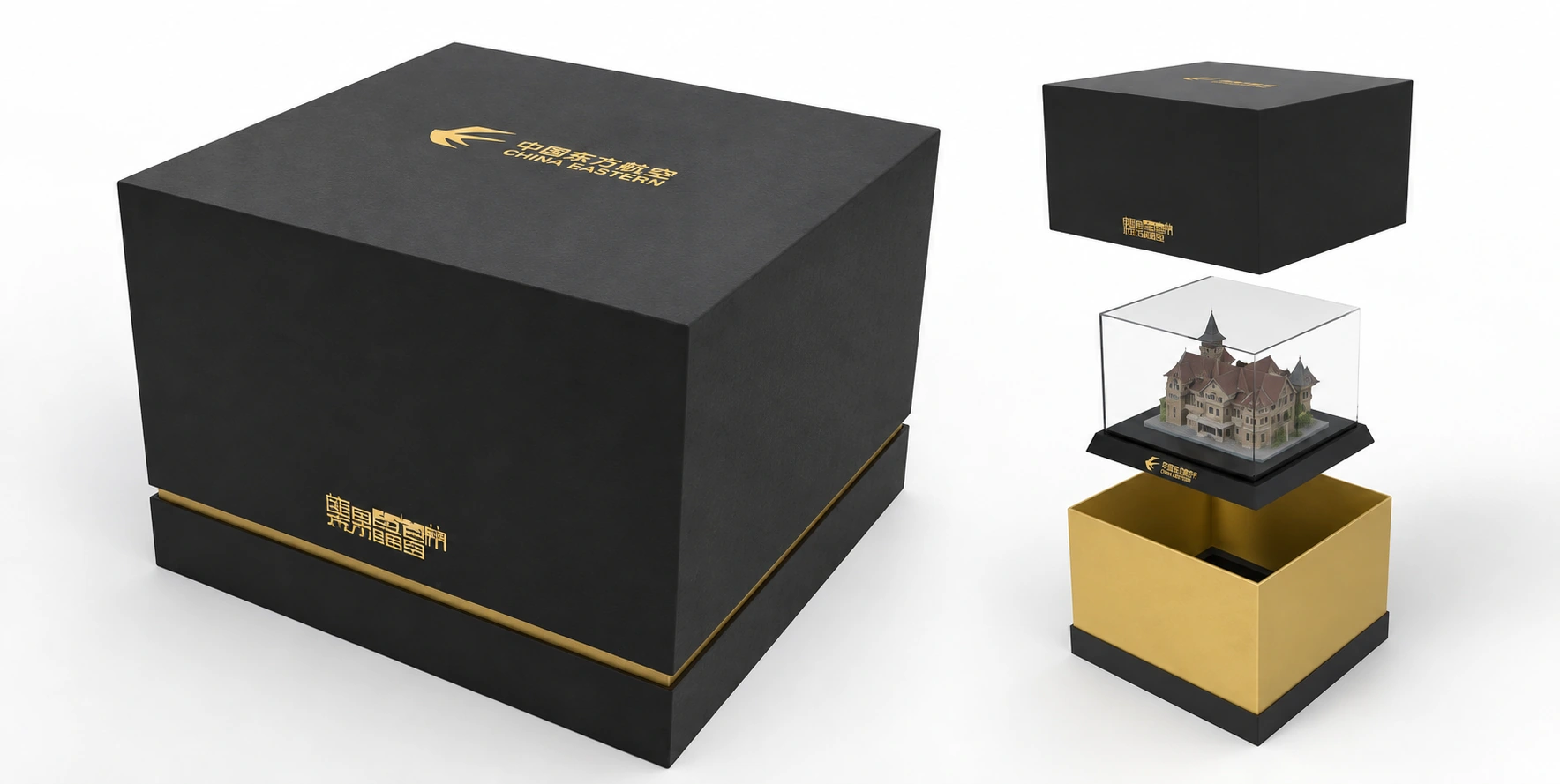
The packaging must also suit the approved surface and the object’s vulnerable details. Share the intended journey and unboxing experience. Nexbie can scope surface preparation, painting, assembly and presentation together, so the finish is considered as part of the delivered object.
Common questions
Can every 3D-printed material receive the same finish?
No. Surface treatments depend on the polymer, geometry and intended use. Confirm compatibility and the required preparation for the exact material.
Is a metallic finish the same as a metal print?
No. Metallic paint or another surface treatment can be applied to a non-metal substrate. A metal print has a different underlying construction, weight and production route.
FURTHER READING